
Under-Tile Floor Heating
ELEKTRA DM20 in-screed heating for bathrooms, kitchens and renovations. Supplied Australia-wide by P.A.P. Heating Solutions since 1988. 20 year cable warranty. Free layout design and load requirements from your plans, usually within 24 hours.
Under-tile heating is the floor heating system for existing homes and renovations. The heating cable is laid on the floor before tiling and sits within the self-leveller or screed layer under the tiles. It warms the tiles directly, so it comes up to temperature quickly and runs well on a timer for mornings and evenings. There are no ducts, no radiators and no wall units.
P.A.P. supplies ELEKTRA DM20 cable, thermostats and floor sensors, and draws the layout and load requirements from the plans at no cost. This page covers where under-tile heating is used, what the product is, how it goes in, what it costs to buy and run, and the questions tilers, electrical contractors and homeowners ask most.
Where under-tile heating is used
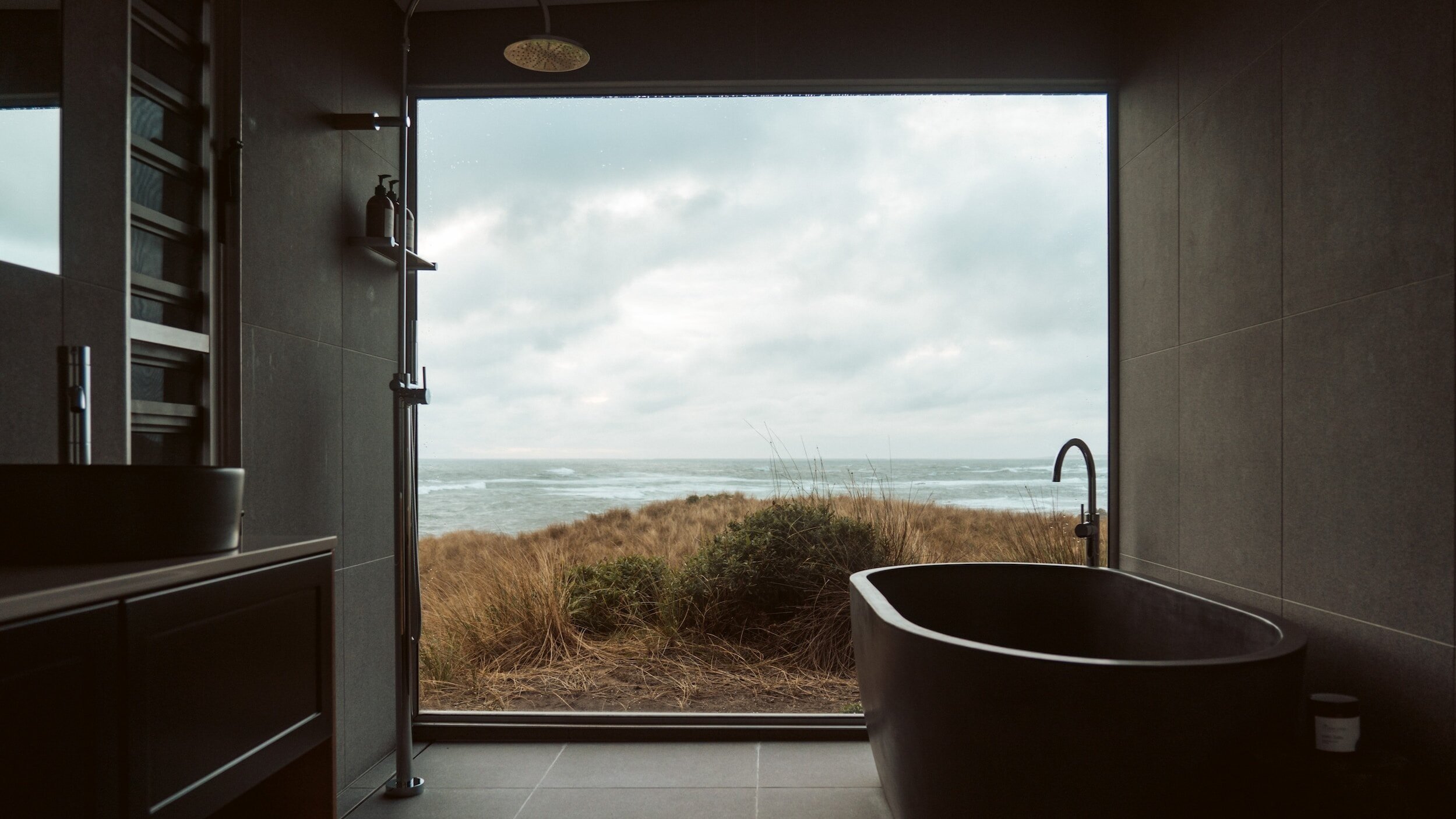
Bathrooms and ensuites. The most common job. A warm tiled floor first thing in the morning, on a timer, off by the time the house is empty.
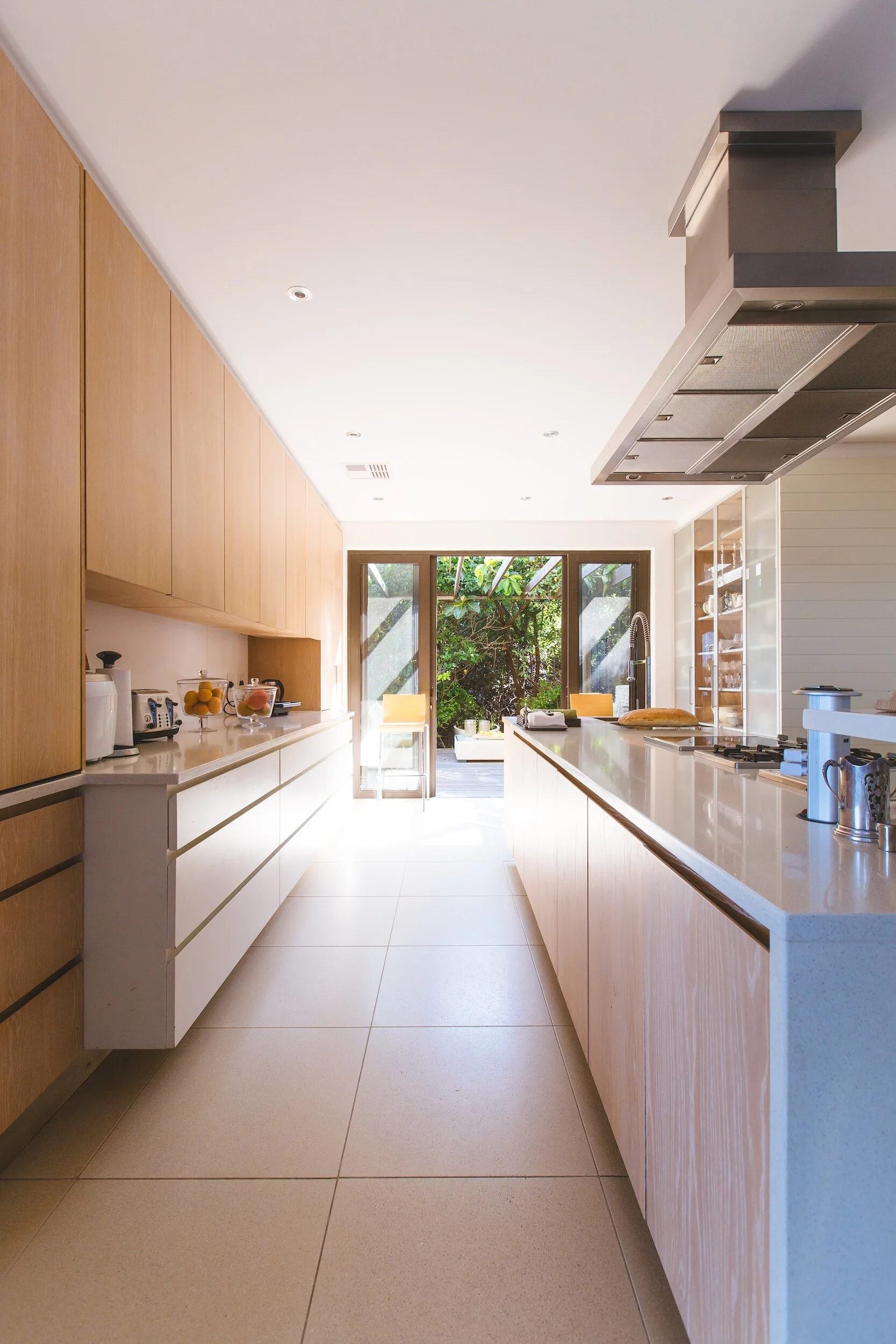
Kitchens, laundries, entries and hallways. Tiled areas that are cold underfoot in an otherwise heated house.
Living areas being retiled. Over a slab or a timber subfloor, where in-slab heating is not an option because the slab is already there.
Whole-house renovations. Every tiled room on its own zone and thermostat.
New builds alongside in-slab. Many new homes run in-slab heating through the living areas and under-tile in the bathrooms for the faster response.
The product: ELEKTRA DM20
ELEKTRA DM20 is a twin-conductor heating cable about 4mm thick, made in Europe by ELEKTRA, the largest floor heating manufacturer in Central Europe. It is built to IEC 60800 and EN 60335-1, every unit is tested at 2,500 VAC before it leaves the factory, and the joints are rated IPX7. The cable carries a 20 year warranty.
The cable is laid at 100mm spacing and connected through a factory-fitted cold tail to the thermostat. Twenty-six lengths cover areas from a small ensuite to a full living area. P.A.P. selects the length from the layout, so the heating cable is never cut or shortened on site. The design uses two heating cores, which keeps the core temperature low and is the reason the cable lasts.
P.A.P. Heating Solutions is the exclusive Australian distributor of ELEKTRA. The cable ships from stock to site or to the electrical contractor anywhere in Australia, and is also available through electrical wholesalers.
How under-tile heating goes in
Layout. Send the plan. P.A.P. draws the cable layout, keeping clear of vanities, toilets and cabinetry, and marks the zone load for the electrical contractor. The layout comes back usually within 24 hours, at no cost.
Rough-in. The electrical contractor runs a draw wire from the floor to the thermostat position before the walls are sheeted, so the cold tail and the floor sensor can be pulled up the wall later.
Laying. After waterproofing, the cable is laid on the floor at 100mm spacing to the layout and megger tested. A bathroom takes a couple of hours.
Covering. The tiler covers the cable in self-leveller or a sand-cement screed. Either is fine. The cable does not go in tile adhesive.
Tiling. Tiles go down over the cured self-leveller or screed as normal. The cable is megger tested again after laying and after covering, with a break alarm running on every job. Readings are recorded for the warranty.
Fit-off. After the floor coverings are down, the electrical contractor fits the thermostat off like a normal power point and makes the final connection.
Circuit arrangement is the electrical contractor's decision. P.A.P. supplies the zone loads on the layout drawing. The full trade detail is in the product manuals and specifications.
What it costs
Guideline supplied-and-installed prices, including GST:
2 square metres (a small ensuite): about $705
3 square metres (an average bathroom): about $733
4.5 square metres: about $845
5.5 square metres: about $908
10 square metres and over (kitchen or living area): from $1,175
The final figure depends on the layout, the thermostat chosen and the electrical contractor's connection. Send the plan for a firm figure, or use the cable selection tool for a quick cable size on a single room.
What it costs to run
An average bathroom of about 3 square metres uses roughly 600W. At 27 cents per kWh that is about 16 cents per heating hour. Most owners run four to six hours a day in winter, which is 65 cents to a dollar a day, and switch it off in summer. A 10 square metre kitchen uses roughly 2,000W, about 54 cents per heating hour.
Floor temperature is set on the thermostat and most people run the low 20s. Because under-tile heating warms up quickly, it is run for the hours the room is used rather than all day. The full working is in the running cost guide.
Thermostats and control
Every zone has its own thermostat with a floor sensor in the screed. Programmable and WiFi models are available so the floor is warm before the household is up and off while the house is empty. A bathroom is typically set to come on for an hour in the morning and two or three hours in the evening. Thermostat warranty is one to three years depending on the model.
Under-tile compared with in-slab
Under-tile DM20. Existing homes and renovations. Laid in self-leveller or screed under tiles. Quick warm-up. Room by room on a timer.
In-slab VCD35. New builds and extensions. Tied to the mesh at 200mm centres before the pour. Slow, even heat from the whole slab. Whole rooms or whole floors.
The two are compared in detail in in-slab versus under-tile.
Under-tile cable compared with heating mats
Heating mats are cable pre-fixed to a mesh at a set spacing. They are quick to lay in a plain rectangle and are laid in the tile adhesive layer. Loose DM20 cable is laid to the room, so it follows an L-shaped bathroom, goes around a fixed bath and stays clear of the vanity and toilet without wasted mat, and it sits in self-leveller or screed rather than adhesive. For most Australian bathrooms, which are rarely plain rectangles, loose cable gives a better fit and the screed layer gives a more even floor temperature.
Floor coverings
DM20 under-tile heating is for tiled and stone floors laid over self-leveller or screed: porcelain, ceramic, natural stone and large-format tiles. Concrete slab or timber subfloor underneath are both fine. For engineered timber, vinyl and floating floors, ask before ordering; the answer depends on the flooring manufacturer's rating and it comes back with the layout.
Repairs
If an under-tile floor stops working, P.A.P. carries a thermal imaging camera and fault finding equipment that locates the exact spot in the floor. The repair is usually one or two tiles, on any brand of cable, not a whole floor. See floor heating repairs.
Frequently asked questions
Can under-tile heating go over a timber floor?
Yes. The cable is laid over the prepared subfloor and covered in self-leveller or screed by the tiler before tiling.
How thick is the floor build-up?
The cable is about 4mm. The self-leveller or screed the tiler uses sets the total, and P.A.P. can advise on the layout for tight door thresholds.
Does it go under the vanity and toilet?
No. Every layout keeps clear of vanities, toilets and cabinetry.
Can it go in the shower?
Yes, over the waterproofing, when the layout allows. The layout drawing shows exactly what is heated.
Can the cable be cut to fit?
No. P.A.P. selects the correct length from the layout. The heating cable is never cut or shortened on site.
Does the cable go in the tile adhesive?
No. DM20 sits in self-leveller or a sand-cement screed. Either is fine. Tile adhesive is not used to cover the cable.
How long does a bathroom take?
A couple of hours to lay the cable. The tiler's self-leveller or screed then cures before tiling as it would on any job.
Who connects it?
A licensed electrical contractor fits the thermostat off and makes the final connection. Circuit arrangement is the electrical contractor's decision.
How quickly does it warm up?
Quickly enough to run on a timer for the hours the room is used. Most bathrooms are set for an hour in the morning and two or three hours in the evening.
What is the warranty?
Twenty years on the DM20 cable. Thermostats carry one to three years depending on the model.
Can I buy the cable and have my own electrician and tiler install it?
Yes. P.A.P. supplies the layout, the cable, the thermostat and the floor sensor. The tiler covers the cable and a licensed electrical contractor connects it.
Where does P.A.P. supply?
Australia-wide, from stock, direct to site or to the electrical contractor, and through electrical wholesalers. City pages: Canberra, Sydney, Melbourne, Brisbane, Adelaide and Perth.
Get a layout
Send plans to sales@elektra.net.au or info@papheatingsolutions.com.au, or phone (02) 6242 9310. Layout design and load requirements come back at no cost, usually within 24 hours.
Under-Tile Floor Heating
-

Quick warm up
Under-Tile heating systems heat up quickly, providing immediate warmth to the tiled area. This is especially beneficial in bathrooms and wet areas controlled by a timed thermostat.
-

Energy Efficiency
Zoned areas throughout the house allow us to control when and where the floor heating will warm up. Zoning helps optimize energy use by only heating the areas that are in use. You can reduce energy consumption and heating costs by not overheating unoccupied spaces. This is especially beneficial in larger homes or buildings with multiple rooms or zones.
-
Design Flexibility
Under-tile heating doesn't require the installation of radiators or vents, allowing for more flexibility in room layout and design. You can use various tile materials and patterns without interference.
-
Healthy Environment
Floor heating creates an environment which helps to eliminate or minimize the ‘trigger factors’ that can cause allergic reactions. With electric floor heating no material from combustion is generated or circulated, nor are dust particles or other airborne allergy ‘triggers’ distributed. Minimizing allergic reactions also involves maintaining a uniform temperature whilst minimizing the build-up or disturbance of dust.